

We carried out a thorough accessibility review of PricedUp Casino to understand how effectively the platform accommodates visually impaired players in the United Kingdom who depend on screen reader software pricedups.com. Our testing used a combination of NVDA on Windows and VoiceOver on macOS with Safari, working with default verbosity settings to reflect typical user conditions. We refrained from manipulating the site’s code or request any special accommodations, because we sought an unvarnished picture of the day‑to‑day situation a UK player might encounter when using assistive technology. PricedUp Casino advertises itself as a modern online gambling site that accepts British customers, so the question of digital inclusion is directly relevant to its regulatory and ethical status under UK consumer law and the Equality Act 2010. Over multiple sessions we examined the registration flow, main navigation, game lobbies, individual titles, live dealer rooms, responsible gambling tools, payment interfaces and customer support channels. We observed which elements featured clear ARIA labels, how focus management worked during dynamic content updates, and whether audible feedback allowed us to complete key tasks without sighted assistance. Every observation was recorded against the Web Content Accessibility Guidelines 2.1 level AA criteria, which function as a practical benchmark for UK service providers.
Establishing Our Accessibility Test Environment
Ahead of launching PricedUp Casino, we configured our screen reader settings to mirror the manner a experienced UK user might use their equipment. We utilized a laptop running Windows 11 with NVDA 2023.3 and the Chrome browser, alongside an Apple MacBook Air with VoiceOver and Safari, as British assistive‑technology surveys show a near‑even division between Windows-powered screen readers and Apple’s integrated tool. We disabled the mouse and depended entirely on keyboard inputs, keyboard navigation and audio output for all interactions. The screen curtain function on VoiceOver was activated to make sure we were obtaining only what the site communicated through code, not eye guessing. We linked to the casino over a regular broadband service in Manchester to replicate a typical domestic situation. Prior to visiting PricedUp Casino, we removed cookies and made sure no saved options would skew the test. We also read through the casino’s terms and conditions and its dedicated accessibility declaration, which provided brief reference to ongoing improvements but did not specifically specify supported assistive tools. This setup provided us a baseline from which to evaluate the discrepancy between stated intent and real usability for a visually impaired or low vision player.
The Slot Game Experience Through Non‑Visual Cues
We loaded three popular slot titles straight from the PricedUp Casino lobby: a classic fruit machine, a themed video slot and a accumulating jackpot game. All three opened in a pop‑up window that our screen reader found it hard to recognise as a different container. The focus remained on the original link, so we needed to manually navigate into the iframe or new browsing context, which instantly created confusion. Once in the game, the game interface proved highly unpredictable. The spin button was usually recognisable, but its label sometimes changed from “Spin” to “Stop” without indicating the state transition, making it difficult to know whether the reels were in motion. Reel stop sounds were available in two of the three games, which gave us an sound feedback loop that partly offset the missing of textual reel announcements. None of the slot titles gave a textual summary of the win, so we needed to depend on the balance announcement that the casino wrapper occasionally announced. Autoplay controls were typically tagged, and we were able to configuring loss and win limits in one game, showing that some developers are including accessible parameter controls. UK players accustomed to detailed game history screens will be frustrated that transaction logs inside the game panel were not accessible to screen readers, leaving us unable to verify recent spin outcomes without going out of to the main site history.
Initial Thoughts of the PricedUp Casino Homepage
When the PricedUp Casino homepage loaded, our screen reader announced the page title and immediately started parsing the top navigation. We were able to identify the brand logo, which was accurately labelled with alt text, making the initial orientation more straightforward than many gambling sites where logos are often unmarked decorative graphics. The primary call‑to‑action button prompting us to register was declared clearly and was keyboard‑focusable within the first few Tab presses, which lessened the friction that can cause screen reader users to abandon a site prematurely. The homepage carousel, however, introduced the first significant barrier. Slides moved automatically without alerting assistive technology to the changing content, and the promotional text inside each slide was not consistently read out. Live region markup was absent, meaning we had to by hand navigate back to the carousel area to learn whether new offers had appeared. The text size and colour contrast were not part of our auditory test, but we remarked that the visible layout, inspected briefly for context, would likely present challenges for low‑vision users who use magnification rather than a screen reader. Overall, the homepage offered a mixed first impression: its skeleton was to some extent accessible, but the dynamic content elements lacked the semantic cues that UK accessibility law would usually expect from a service targeting the mainstream consumer market.
Browsing the Primary Casino Lobby and Game Categories
Once logged in, we navigated to the casino lobby, which sorts games into horizontal tabs called “Slots,” “Live Casino,” “Table Games,” “Jackpots” and a few provider‑specific filters. The tab widget was developed with standard button elements that indicated their selected state through ARIA attributes, making category switching audible and predictable. We could easily jump between sections using the heading structure, because each category heading was tagged as an H2 element. The search function was surprisingly well‑styled for keyboard‑only use; it expanded on focus and announced the number of results as we typed, though the result count update had a half‑second lag that caused NVDA to sometimes repeat the previous count. The thumbnails for individual games were a weak link. Most were marked as poorly‑labelled images or entirely missing alt text, so our screen reader announced lengthy file names such as “starburst‑slot‑thumb.jpg” rather than a meaningful title. Under UK law, the provision of clear and accurate information is a consumer right, and while inaccessible thumbnails do not prevent gameplay, they create an information gap that could lead players to overlook games they might otherwise enjoy. The filtering dropdown for software providers was fully keyboard‑accessible, with its options clearly spoken, allowing us to focus exclusively on titles from studios we trust.
Real-time Dealer Tables and Audio Feedback
The interactive casino segment at PricedUp Casino offered blackjack, roulette, baccarat and game‑show‑style titles transmitted from studios in Latvia and Malta, with professional dealers and a sharp video stream. For a visually impaired user, the essential concern is whether the betting interface and game‑state information can be detected without sight. We observed a varied situation. The wagering timer was conveyed through a periodic sound that our screen reader overlaid with a exact announcement of the seconds remaining, but the announcement periodically interfered with the dealer’s voice, producing a disorienting audio mix. Chip selection buttons were clearly labelled with their denominations and were entirely functional via the keyboard, which enabled us to place inside and outside roulette bets after a brief learning period. The live chat window remained understandable, because new messages were inserted into a active zone that automatically spoke the text as it appeared. However, the game result announcements — such as “Player wins” in blackjack — were not included in any ARIA‑aware container, so we were required to listen closely to the dealer’s spoken words or personally check the somewhat delayed text record. UK players who use screen readers as their primary access method might find the interactive casino usable with a seeing helper for the first few sessions, but entirely self-reliant play remains impeded by the absence of systematic game‑state updates.
Accountable Gaming Tools and Available Account Management
We gave special attention to the responsible gambling controls, because UK Gambling Commission requirements demand that operators make safer gambling tools easily accessible and easy to use. The “Safer Gambling” link in the account menu was navigable via keyboard and led to a dedicated dashboard where we could set deposit limits, loss limits, session reminders and cooling‑off intervals. The form controls for entering currency amounts were appropriately marked, and the success confirmation message was announced to our screen reader via a polite live region, which is the kind of practice that earns credibility with visually impaired customers. We were able to activate a 24‑hour time‑out without any visual prompts, and the system sent a confirmatory email that our screen reader could access through our standard email client. The reality check popup window which appears after a customisable interval of play, was somewhat effective: it disrupted gameplay appropriately but did not always receive focus, meaning we had to navigate manually to its “Continue” button. This is a subtle but important oversight, because a user who does not know a reality check has appeared could inadvertently exceed their intended playing time. Viewing account history and transaction logs worked well; the tables used appropriate scope attributes and column headers, allowing us to move through rows to review deposits, withdrawals and fund movements.
Setting up an Account Using a Screen Reader Active
We moved to the registration form, which showed a typical multi‑field layout requiring email, password, date of birth, address and telephone number. Each input field was accompanied by a properly associated label element, enabling our screen reader to declare the field’s purpose without guesswork. Error handling was the outstanding positive aspect of this stage. When we intentionally left the postcode field blank and submitted the form, an inline error message emerged, and our screen reader instantly read it because the error container had been assigned an assertive ARIA role. Focus was shifted to the first invalid field, a pattern that aligns with WCAG 2.1 and greatly cuts down the time a non‑visual user devotes to finding mistakes. The date of birth selector, however, relied on a custom JavaScript date picker that was completely opaque to screen readers. We could not navigate the calendar grid via the keyboard, and the quick‑select year dropdown stated nothing but “blank” for each option. We finally completed registration by typing the date manually into the text field, which operated but was not obvious because the visible label suggested the calendar widget was the intended path. UK players who share their data with gambling operators in accordance with Know Your Customer rules will consider the core form usable, but the date picker issue could prove to be a deal‑breaker for those not able to type precise date strings without assistance.
Deposit, Payouts and Banking Section Access
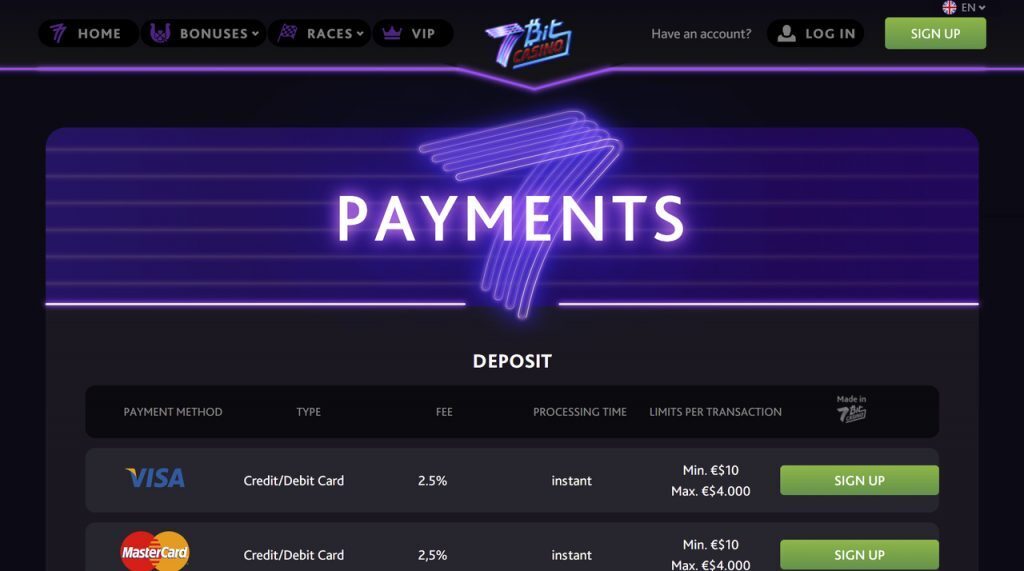
The payment section at PricedUp Casino offers a selection of UK‑friendly https://tracxn.com/d/companies/casino-vibez/__FEz1rMDY98d_3al9egGM6jCdh9FfTSpo6wTP1hvGwXw payment options, including Visa, Mastercard, PayPal, Skrill and bank transfer. We tested the deposit process using a debit card, navigating through the card number, expiry date and CVV entries, all of which were spoken correctly and contained sensible autocomplete attributes that enabled our browser’s autofill feature work smoothly. The deposit amount entry was linked with quick‑select chip buttons that were properly labelled, and the submit button clearly displayed “Deposit £20” depending on our pick, leaving no ambiguity about the action we were performing. Withdrawal applications demanded us to go through a similar form, but we faced a obstacle when prompted to upload identity files. The file upload widget was technically keyboard‑focusable, but after choosing a file from our computer, the platform provided no audible feedback that the upload had completed. We had to use a separate screen reader‑accessible file browser to verify the document had been attached. The pending withdrawal state appeared in a table that refreshed automatically, and the new status text was read out each time we came back to the page, though real‑time push messages were not present. For UK players who handle their bankroll prudently, the banking area is one of the strongest parts of the site in terms of basic screen reader support, even if the file upload confirmation shortcoming needs focus.
Overall Findings on Screen Reader Support at PricedUp Casino
Our analysis revealed that PricedUp Casino occupies a intermediate position between platforms that handle accessibility as an afterthought and those that have embedded inclusive design from the start. Core transactional journeys such as account creation, depositing, withdrawing and setting deposit limits are functional with a screen reader, and the deliberate use of ARIA live regions for error messages and confirmation alerts demonstrates that someone in the development chain has addressed non‑visual interaction. At the same time, the game lobby remains heavily reliant on visual thumbnails, the in‑game slot experience differs wildly across providers, and live dealer tables do not have the structured data announcements that would allow independent play straightforward. For UK‑based players, the Equality Act 2010 demands service providers to make reasonable adjustments, and while PricedUp Casino does not block access, it imposes a cognitive burden on screen reader users that sighted customers simply do not experience. We identified key strengths and weaknesses that paint a detailed picture of the current state of access.
On the positive side, the enrollment form, safe gambling panel and payment area all attained a standard of labelling and focus control that aligns with many WCAG 2.1 success criteria. The audible reality check, despite its focus‑switching flaw, embodies a substantial protection effort. On the flip side, the calendar widget, rotator, game icons and file upload feedback sit well below the basic UK accessibility expectations. We consider the provider could achieve substantial gains by focusing on just a handful of improvements, such as inserting alt text to all slot pictures, deploying an accessible date widget and making sure that session payouts are automatically declared. As it is, a persistent screen reader visitor who is comfortable with the peculiarities of different game developers can operate PricedUp Casino for most standard tasks, but the overall experience is missing the refinement that would render it truly welcoming for all British gamblers.
- Sign-up and payment flows offer robust label connection and error handling, with live region alerts for form mistakes.
- Game lobbies suffer from missing alt text on thumbnails, requiring screen reader users to interpret random file names instead of game titles.
- Slot game accessibility is uneven; some titles expose autoplay controls and spin button labels, but win amounts are rarely announced programmatically.
- Live dealer tables provide clear chip selection and readable live chat, yet game outcomes lack the structured ARIA notifications needed for independent tracking.
- Responsible gambling tools are mostly operable, though the reality check pop‑up does not always receive keyboard focus, potentially causing missed interventions.
- The file upload process for KYC documents lacks audible confirmation, leaving players doubtful whether their identity verification succeeded.
We observed that PricedUp Casino’s current implementation would gain the most from a focused audit centered on the gaming‑floor components, rather than the supporting account services that already function fairly well. UK players who use screen readers should be cognizant that they will encounter moments of friction that require memorization of button sequences or reliance on environmental audio cues. The operator’s public commitment to accessibility improvements, mentioned in its terms and conditions, suggests that some of these barriers may be diminished over time, but until then the casino remains only moderately hospitable to the visually impaired community. In a market where the Gambling Commission more and more expects operators to demonstrate inclusive practices, closing these gaps is not simply a matter of corporate social responsibility but a route to keeping a loyal and currently underserved customer base across England, Scotland, Wales and Northern Ireland.